
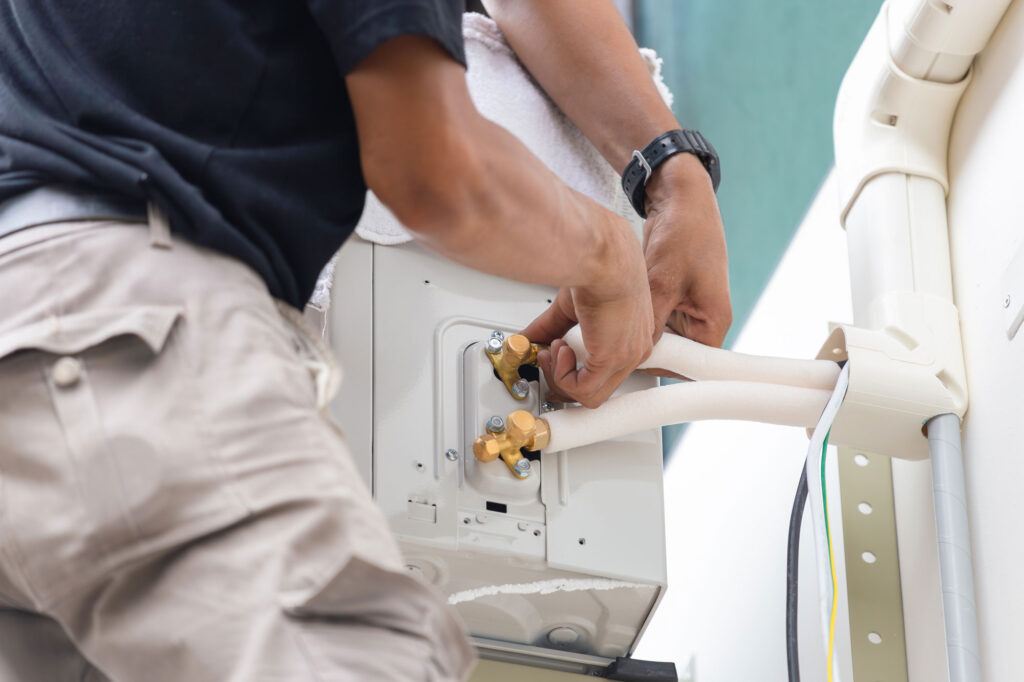
This guide explains the most common red flags, what they can safely check first, and the clear moments when a licensed technician should be called.
What counts as an “aircon emergency” in Greater Sydney?
For aircon repairs sydney, an aircon emergency is any fault that risks safety, property damage, or health. It can also be an urgent comfort issue when temperatures are extreme or someone in the home is heat sensitive.
Typical emergencies include burning smells, electrical tripping, leaking that could damage ceilings or floors, and complete cooling loss during very hot weather.
When should they call a technician immediately?
They should call immediately if there is any sign of electrical danger or fire risk. They should also call if there is water leaking near power points, or if the system is making violent noises that suggest mechanical failure.
If there are elderly residents, babies, or anyone with medical risks, “no cooling” can also justify an urgent call on hot days.
What does a burning smell, smoke, or “electrical” odour usually mean?
A burning smell can indicate overheating wiring, a failing fan motor, or debris burning off a hot component. Smoke or a sharp electrical odour raises the risk level further.
They should switch the system off at the controller, isolate power at the switchboard if safe, and call a technician. They should not keep running it “to see if it clears.”
What if the aircon keeps tripping the circuit breaker?
Repeated tripping is often linked to an electrical short, a failing compressor, a damaged capacitor, or a compromised circuit. It can also be caused by moisture where it should not be.
They should stop resetting the breaker, as repeated trips can worsen damage. A technician should assess the unit and the circuit before it is used again.
What if there is water leaking inside the home?
Indoor leaks are commonly caused by a blocked condensate drain, a cracked drain pan, poor installation fall, or frozen indoor coils that later thaw. Even “clean” water can damage plaster, flooring, and cabinetry.
They should turn the system off, place towels or a container under the drip, and call a technician if the leak continues or is near electrics.
What if it is blowing warm air or not cooling at all?
Warm air can come from incorrect settings, dirty filters, iced coils, low refrigerant, a failed compressor, or airflow problems in ducts. In Sydney humidity, airflow issues can become uncomfortable quickly.
They can check thermostat mode, set temperature, and filters first. If it still will not cool after basic checks, a technician should inspect refrigerant, coils, and mechanical components.
What if the unit is making loud banging, grinding, or squealing noises?
Banging can suggest a loose internal part, fan imbalance, or compressor issues. Grinding or squealing often points to motor bearings, belt issues in older systems, or a failing fan assembly.
They should turn it off to prevent secondary damage. A technician should diagnose it before the fault spreads and repairs become more expensive.
What if the indoor unit freezes up or has ice on the pipes?
Ice usually means restricted airflow (dirty filter, blocked return vents) or refrigerant problems. Running the unit while iced can strain the compressor and lead to larger failures.
They can switch it off and let it thaw, then check and clean filters. If it freezes again, a technician should investigate airflow, fan performance, and refrigerant charge.
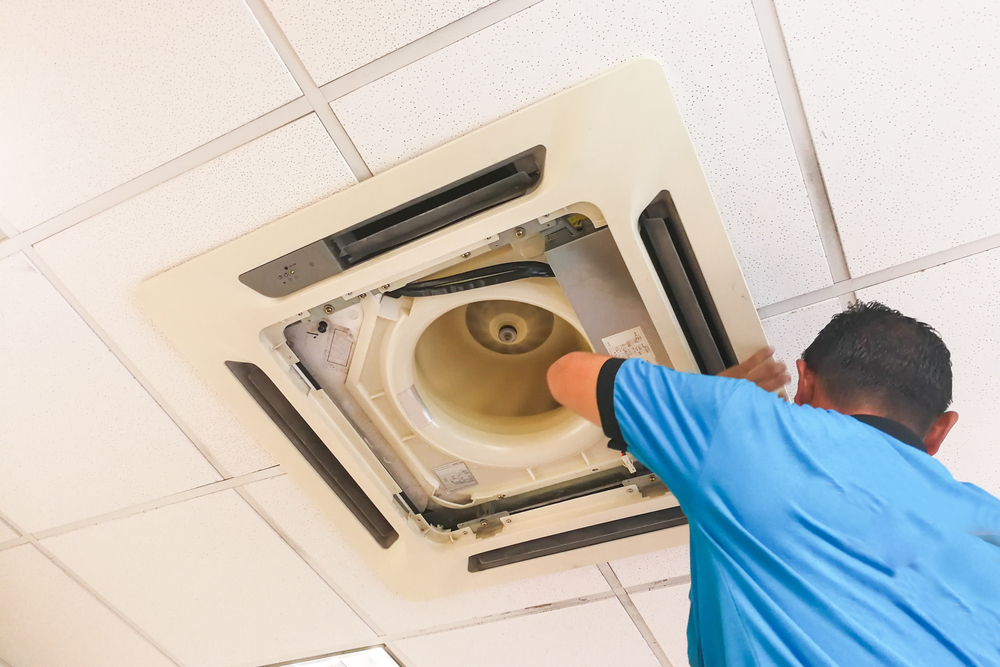
What checks can they safely do before calling?
They can do a quick, safe checklist that does not involve opening sealed panels or touching wiring. These steps often resolve simple problems and help the technician if a visit is still needed. Click here to learn about air conditioning service in Sydney: what’s included in a standard visit?
They can: confirm power is on, check the breaker once, replace remote batteries, confirm mode is “cool,” clean filters, clear vents, and ensure outdoor units are not blocked by leaves or debris.
When should they avoid DIY fixes entirely?
They should avoid DIY when the issue involves electrical faults, refrigerant, or internal components. Refrigerant handling requires licensing, and electrical work is not safe without qualifications.
They should also avoid hosing an outdoor unit, dismantling covers, or trying to “top up” gas. Those actions can create hazards and may void warranties.
Why do emergency failures happen more often during Sydney heatwaves?
During heatwaves, systems run longer and harder, which exposes weak capacitors, dirty coils, aging fans, and marginal electrical connections. Outdoor units also struggle if airflow is blocked or the condenser is clogged.
Preventive servicing before summer reduces breakdown risk. It also improves efficiency, which matters when energy use spikes in hot periods.
How can they describe the problem so the technician arrives prepared?
Clear details can speed up diagnosis and reduce repeat visits. They should note the system type (split, ducted, multi-split), brand, and approximate age.
They should also describe symptoms, when they started, any error codes, whether the breaker trips, and whether there is water leakage. Photos of the indoor unit display and the outdoor unit area can help.
What should they expect during an emergency call-out?
A technician will typically verify power supply, test components, check airflow, inspect coils and drains, and run pressure and temperature diagnostics where appropriate. For ducted systems, they may also check zoning and return air issues.
If parts are required, they may provide a temporary stabilisation and return with parts. They should ask for a clear scope, warranty on parts and labour, and any immediate safety recommendations.
How can they reduce the chance of another emergency repair?
They can prevent many call-outs with simple habits and scheduled maintenance. Filters should be cleaned regularly, and outdoor units should be kept clear of vegetation and debris.
An annual service before peak summer is a practical baseline for many Sydney households. It helps catch drain blockages, failing capacitors, coil buildup, and performance issues before they become urgent.
FAQs (Frequently Asked Questions)
What qualifies as an air conditioner emergency in Greater Sydney?
An aircon emergency in Greater Sydney includes any fault risking safety, property damage, or health, as well as urgent comfort issues during extreme temperatures or for heat-sensitive individuals. Examples include burning smells, electrical tripping, water leaks that could damage property, and complete cooling loss during very hot weather.
When should I call a licensed technician immediately for aircon issues?
You should call a licensed technician immediately if you notice signs of electrical danger or fire risk, water leaking near power points, violent noises indicating mechanical failure, or if there are vulnerable residents like elderly people or babies experiencing no cooling on hot days.
What does a burning smell or electrical odour from my air conditioner indicate?
A burning smell can signal overheating wiring, a failing fan motor, or debris burning off hot components. Smoke or sharp electrical odours increase the risk level. In such cases, switch off the system at the controller, isolate power at the switchboard if safe, and contact a technician without running the unit further.
Why is my air conditioner repeatedly tripping the circuit breaker and what should I do?
Repeated circuit breaker trips often point to electrical shorts, failing compressors, damaged capacitors, compromised circuits, or moisture intrusion. Avoid resetting the breaker multiple times as it can worsen damage. Instead, stop using the unit and have a technician assess both the aircon and electrical circuit before resuming use.
How should I handle water leaking inside my home from the air conditioner?
Indoor leaks usually stem from blocked condensate drains, cracked drain pans, poor installation slopes, or thawing frozen coils. Even clean water can cause damage to plaster and flooring. Turn off the system, place towels or containers under the leak to catch water, and call a technician especially if leaks persist or are near electrical points.
What basic checks can I safely perform before calling an aircon technician?
You can safely confirm that power is on and check the breaker once; replace remote batteries; verify thermostat mode is set to ‘cool’ with an appropriate temperature; clean filters; clear vents; and ensure outdoor units are free from leaves or debris. Avoid opening sealed panels or touching wiring to prevent hazards.