
What Are the Risks of Termite Damage Between Inspections?
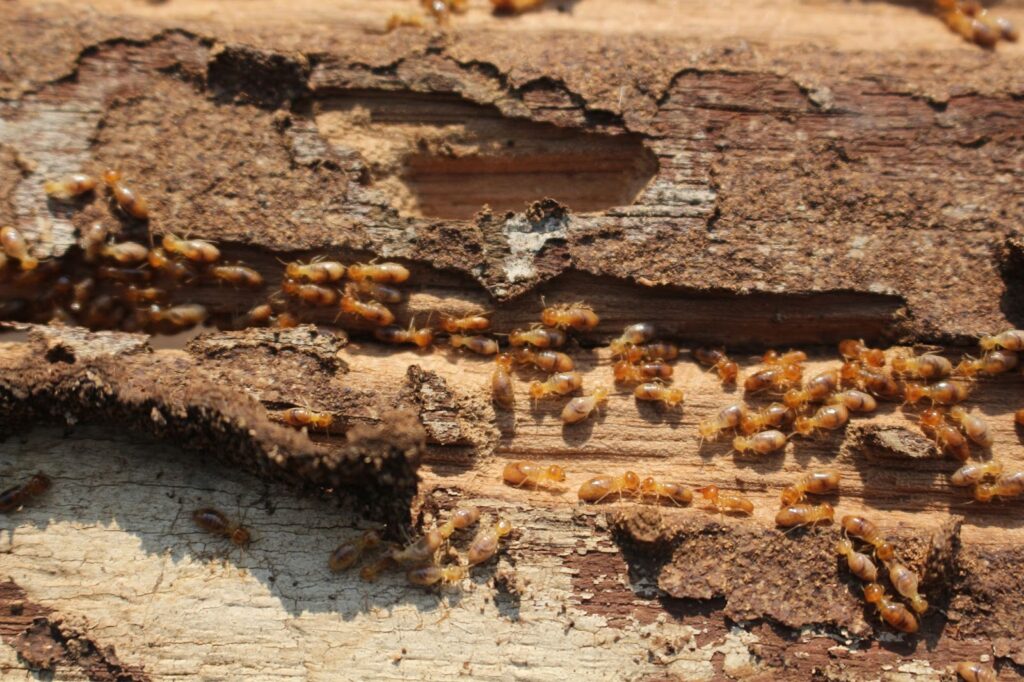
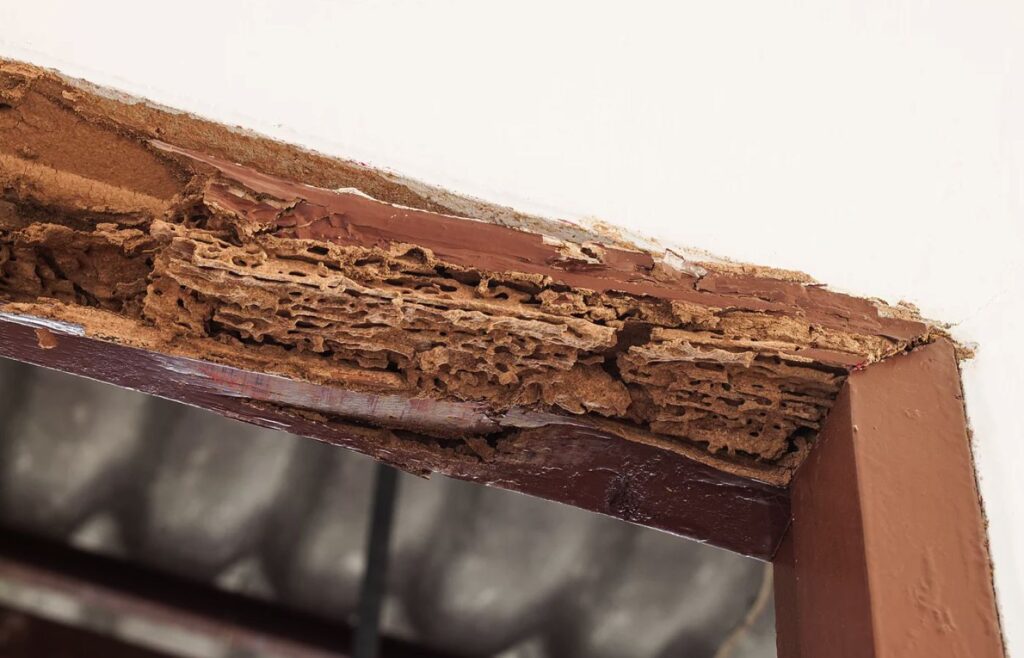
Undetected termite infestations can cause structural damage costing thousands of dollars in repairs, often progressing silently between annual inspections. These wood-destroying insects work 24/7, consuming wooden beams, floor joists, and wall studs from the inside out.
Termite damage risks escalate rapidly because colonies contain hundreds of thousands of workers feeding continuously. A single colony can consume approximately one pound of wood per day, meaning significant structural compromise can occur within months of the last termite inspections sydney.
The financial impact extends beyond repair costs. Homeowners face:
- Structural repairs averaging $3,000 to $8,000 for moderate infestations
- Property value decline when selling a home with termite history
- Insurance complications since most policies exclude termite damage coverage
- Emergency treatment expenses when infestations reach critical stages
Proactive measures between professional inspections serve as your first line of defense. Home termite control tips implemented consistently reduce the likelihood of colonies establishing themselves on your property. Regular monitoring catches early warning signs before minor issues become major structural problems.
The gap between inspections represents a vulnerable period where homeowner vigilance becomes critical. Without active prevention strategies, termites exploit entry points, moisture sources, and food supplies around your foundation, creating hidden damage that compounds with each passing week.
How Can Homeowners Prevent Termites from Entering Their Property?
Blocking physical access points is the first step in preventing termites from invading your home. Here are some effective measures homeowners can take:
1. Seal Gaps
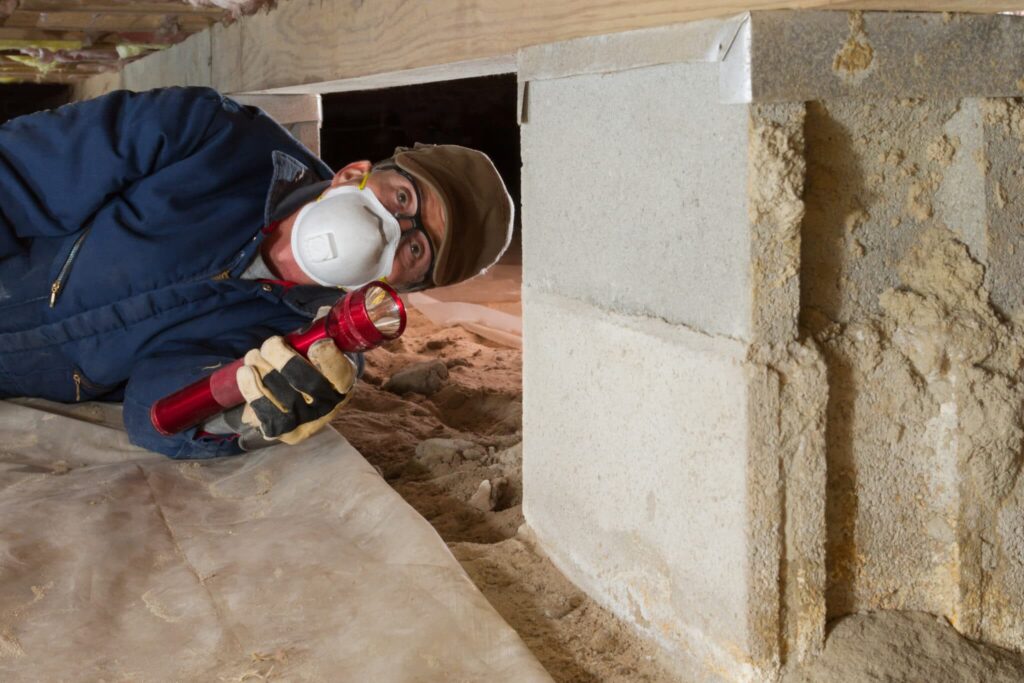
Inspect your property for any gaps around water lines, gas pipes, and electrical conduits where they enter the foundation. These openings provide easy access for termites. Use caulk or expanding foam to seal these gaps and create barriers that prevent termites from entering vulnerable areas.
2. Fix Exterior Wood Cracks
Even small cracks in exterior wood surfaces can be entry points for termites. Regularly inspect your wooden siding, trim, and other exterior wooden structures for any signs of damage or decay. Apply fresh coats of paint or wood sealant to seal these cracks and protect against termite infestations. For instance, using Titebond glues can help effectively fix these cracks.
3. Address Wood-to-Ground Contact Issues
Subterranean termites, the most destructive species in North America, thrive in environments where wood comes into direct contact with soil. Take a close look at your property and identify any violations such as:
- Wooden siding or trim touching soil directly
- Deck posts or fence sections embedded in the ground without proper barriers
- Stacked firewood or lumber resting against foundation walls
- Landscape timbers or railroad ties in direct soil contact
Elevating wooden structures at least six inches above ground level eliminates this critical access route for termites. Consider installing metal or concrete barriers between soil and wood to provide additional protection. You might want to explore this DIY method for properly securing wood structures.
4. Install Bug Screens Over Foundation Vents
Termite scouts often enter homes through foundation vents in search of food sources. Installing bug screens over these vents creates a physical barrier that prevents termites from exploring your home’s interior. This simple yet effective measure can significantly reduce the risk of termite infestations.
By implementing these preventive measures, homeowners can effectively block physical access points and reduce the likelihood of termite invasions on their property. Additionally, joining community groups like those on Facebook can provide valuable insights and shared experiences from other homeowners dealing with similar issues.
What Steps Can Homeowners Take to Reduce Termite Food Sources Near Their Home?
Remove cellulose materials from your property’s perimeter to eliminate what termites need to survive. Dead trees, stumps, old firewood, and discarded lumber act as feeding stations that draw colonies closer to your home’s structure.
Store firewood at least 20 feet away from your house and elevate it off the ground using racks or pallets. This distance prevents termites from establishing a direct path between their food source and your foundation. Inspect any stored wood regularly for signs of infestation before bringing it indoors.
Mulch presents a particular challenge since it contains the cellulose termites crave while retaining moisture they need. Replace traditional wood mulch with alternatives like:
- Rubber mulch made from recycled tires
- Gravel or decorative stones
- Cedar bark, which naturally repels some termite species
- Pine straw in thin layers
If you prefer organic mulch for your landscaping, maintain a minimum six-inch gap between the mulch and your home’s foundation. This barrier zone allows you to spot termite activity before they reach your structure.
Railroad ties, landscape timbers, and wooden edging materials should be removed or replaced with composite alternatives. These decorative elements sit directly on soil, creating ideal conditions for subterranean termites to access and consume. Keep wooden siding elevated at least six inches above ground level to prevent soil contact that invites infestation.
How Does Moisture Control Help in Termite Prevention?
Moisture control termites thrive in damp environments, making water management one of the most critical home termite control tips for prevention. Termites need moisture to survive, and excess water around your property creates ideal conditions for colonies to establish and flourish.
Standing Water Elimination
Standing water elimination starts with your home’s drainage system. Regularly cleaning gutters prevents overflow that pools near foundations. Downspouts should extend at least four feet from your home, directing water away from the structure. After rainfall, inspect your property to identify areas where water accumulates, then regrade soil or install French drains to redirect flow.
Plumbing Maintenance
Plumbing maintenance plays an equally vital role in deterring termite activity. A single leaky pipe in your basement or crawlspace can create the moisture-rich environment termites seek. Check under sinks, around water heaters, and in utility rooms for signs of leaks or condensation. Address any dripping faucets or sweating pipes immediately.
Air Conditioning Units
Air conditioning units require special attention since condensation lines often drip near foundations. Extend these drainage lines away from your home or connect them to proper drainage systems. Crawlspaces and basements need adequate ventilation to prevent humidity buildup—install vapor barriers in crawlspaces and use dehumidifiers in damp basements to maintain dry conditions that discourage termite colonization.
Additional Resources
For a deeper understanding of how controlling moisture can prevent termite infestations, consider exploring detailed guides provided by experts in the field.
What Are Effective Ways for Homeowners to Monitor Termite Activity Between Inspections?
Routine visual checks around your property’s foundation and vulnerable areas can catch termite problems early. Homeowners should monitor termite activity monthly by examining accessible areas where termites typically leave evidence of their presence.
Key signs to watch for include:
- Mud tubes detection along foundation walls, basement supports, or crawl space beams—these pencil-width tunnels serve as protected highways for subterranean termites
- Hollow-sounding wood when tapped, indicating internal damage
- Discarded wings near windowsills or doors, left behind after termite swarmers establish new colonies
- Blistered or darkened wood surfaces that appear water-damaged
- Small piles of frass (termite droppings) resembling sawdust or coffee grounds
Focus inspection efforts on areas where wood meets soil, around plumbing penetrations, and in damp locations like basements or crawl spaces. Pay special attention to wooden deck posts, porch supports, and any lumber stored near the structure.
Termite bait stations positioned around your property perimeter provide continuous monitoring between professional visits. These devices contain wood or cellulose materials that attract termites, allowing homeowners to detect activity before significant damage occurs. Check stations every 2-3 months, looking for signs of feeding or termite presence.
Document findings with photos and notes, creating a reference point for tracking changes over time. This systematic approach helps identify patterns and alerts you when professional intervention becomes necessary.
When Should Homeowners Involve Pest Control Professionals in Their Termite Prevention Efforts?
Homeowners should schedule a professional termite inspection annually, even without visible signs of infestation. Qualified experts use specialized tools and training to detect termite activity in hidden areas that routine homeowner checks might miss, including inside walls, beneath flooring, and in crawlspaces where colonies often establish themselves unnoticed.
Preventive treatments become essential when your property has specific risk factors. Homes with previous termite history, properties located in high-activity regions, or structures with extensive wood-to-ground contact benefit from proactive professional intervention. Pest control specialists assess your home’s unique construction, landscaping, and moisture conditions to recommend tailored treatment plans.
Professional involvement proves particularly valuable when:
- Your home sits in an area with documented termite activity
- You’ve discovered termite evidence during self-inspections
- Your property undergoes renovations that expose wood structures
- You’re purchasing or selling a home requiring certification
- Neighboring properties report active infestations
Specialists apply targeted treatments such as liquid termiticides around foundations or direct wood applications that create protective barriers lasting several years. They also install and monitor bait station systems designed to eliminate colonies before structural damage occurs. These expert-administered solutions provide protection levels that DIY methods cannot match, safeguarding your investment through scientifically-proven application techniques and commercial-grade products unavailable to consumers.
Conclusion
Can homeowners truly protect their property between professional visits? Yes—combining prevention strategies with ongoing monitoring efforts creates a robust defense against termite damage. Sealing entry points, eliminating food sources, controlling moisture, and conducting regular visual inspections work together to minimize risk during intervals between expert assessments.
These home termite control tips aren’t replacements for professional service but essential supplements. Your vigilance in spotting early warning signs—mud tubes, damaged wood, discarded wings—paired with preventative measures gives termites fewer opportunities to establish colonies. When you integrate DIY monitoring with scheduled professional inspections, you create multiple layers of protection that significantly reduce the likelihood of costly structural damage to your home.
Related : Termite Control Sydney: The Complete Homeowner’s Guide (2025 Edition)