
1. Introduction
Medical cannabis has moved from the margins of healthcare into mainstream treatment plans in 2025. More patients—across age groups and medical backgrounds—are exploring cannabis as a natural alternative to medications that often come with long-term risks. The shift is backed by expanding scientific research, improved product quality, and broader legal access across the world.
What’s driving this surge in interest? Patients are looking for safer, more holistic ways to manage conditions such as chronic pain, anxiety, sleep disorders, and inflammation. Many also want treatments that align with their lifestyle and offer fewer side effects than traditional pharmaceuticals. Meanwhile, doctors are increasingly open to prescribing cannabis when conventional therapies don’t provide adequate relief.
This article breaks down the science behind how medical cannabis works in the body, the benefits supported by 2025 research, and what new patients can realistically expect as they explore this increasingly popular treatment option.
See more: Why You Need a Pilates Sitting Box for Your Reformer Machine
2. What Medical Cannabis Is
Medical cannabis refers to the therapeutic use of cannabis and its compounds to treat medical conditions. Unlike recreational cannabis, medical cannabis is carefully regulated, lab-tested, and often prescribed with specific dosage instructions.
The two primary active compounds are:
CBD (Cannabidiol)
- Non-intoxicating
- Known for reducing anxiety, inflammation, and seizures
- Helps support sleep and overall calmness
- Does not produce a “high”
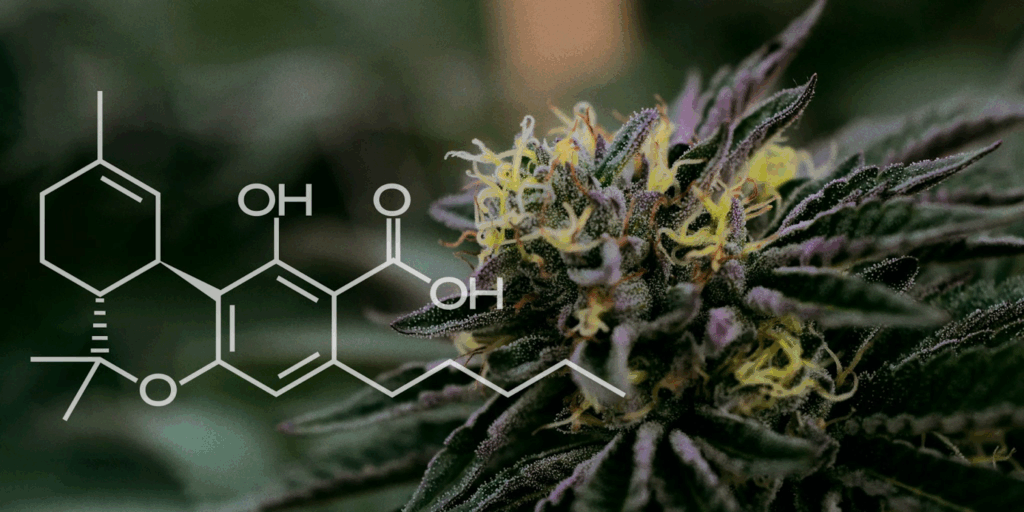
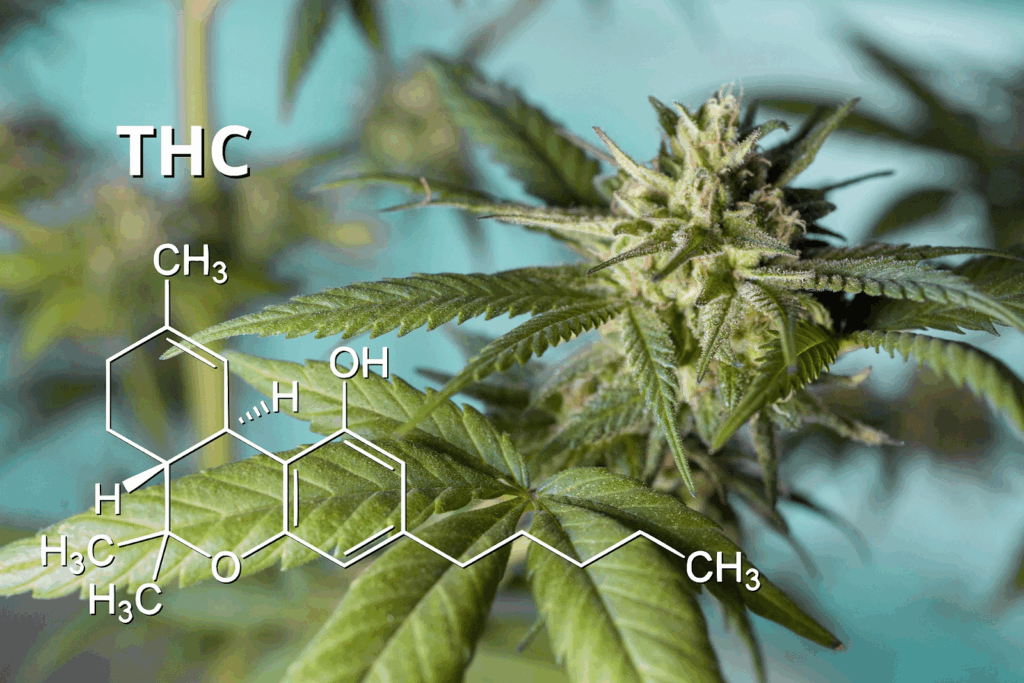
THC (Tetrahydrocannabinol)
- Psychoactive compound responsible for the “high”
- Effective for pain, nausea, appetite issues, and muscle spasms
- Can be sedating or stimulating depending on the dose
Medical cannabis products may contain:
- CBD-dominant formulas
- THC-dominant formulas
- Balanced CBD:THC blends
Each product type affects the body differently, making medical guidance essential when choosing a treatment plan.
3. How Medical Cannabis Works in the Body
The power of medical cannabis comes from its interaction with the endocannabinoid system (ECS)—a biological network that helps regulate essential functions such as pain, mood, appetite, sleep, stress responses, memory, and immune activity.
The ECS Has Three Core Components:
- Endocannabinoids
Natural compounds produced by the body. - Cannabinoid Receptors (CB1 and CB2)
- CB1 receptors are found mainly in the brain and nervous system.
- CB2 receptors are found in immune tissues and inflammatory pathways.
- Enzymes
Break down cannabinoids after they’ve done their job.
How Cannabis Interacts with the ECS
- THC binds directly to CB1 receptors, changing how the brain interprets pain, mood, and perception. This is why THC can relieve pain and nausea but also cause intoxication.
- CBD influences receptors indirectly, helping regulate inflammation, reduce anxiety, and restore body balance without altering mental state.
This interaction explains why medical cannabis can impact so many conditions—it works with a system involved in nearly every major biological function.
4. Science-Supported Benefits in 2025
The research landscape for medical cannabis in 2025 is stronger than ever. Studies, clinical trials, and patient reports continue to highlight the therapeutic potential of cannabis for various chronic conditions.
Chronic Pain
More than 60% of medical cannabis patients in 2025 use it for chronic pain. Research shows meaningful improvements in:
- Neuropathic pain
- Arthritis and joint stiffness
- Fibromyalgia
- Pain related to injuries or surgery
- Cancer-related pain
A growing number of patients are reducing or eliminating opioid use by incorporating cannabis into their treatment plans.
Anxiety Disorders
CBD remains one of the most promising natural options for anxiety relief. It interacts with serotonin receptors, helping regulate mood and reduce stress. Patients report improvements in:
- Social anxiety
- Generalized anxiety
- Panic symptoms
- Stress-induced insomnia
Low-dose THC may also help, but high doses can worsen anxiety—making proper dosing essential.
Sleep Disorders
Both THC and CBD play roles in sleep:
- CBD calms the nervous system, reduces racing thoughts, and supports deeper rest.
- THC can shorten the time needed to fall asleep and may improve sleep duration.
Studies in 2025 show a 30–50% improvement in sleep quality when medical cannabis is used appropriately.
Epilepsy
CBD-based medications are now widely accepted as effective treatments for severe or treatment-resistant epilepsy. Many patients experience:
- Fewer seizures
- Reduced seizure intensity
- Improved overall quality of life
Cancer-Related Symptoms
Cannabis does not treat cancer itself, but it helps manage:
- Chemotherapy-induced nausea
- Appetite loss
- Chronic pain
- Anxiety
- Insomnia
Patients often report improved comfort and emotional wellbeing during cancer treatments.
Inflammation
CBD’s anti-inflammatory effects are well-supported. Conditions benefiting include:
- Autoimmune diseases
- Irritable bowel diseases
- Arthritis
- Migraines
- Allergic inflammation
Because CBD helps regulate immune activity, many patients use it daily to manage chronic flare-ups.
5. Possible Side Effects and Safety Considerations
While medical cannabis is generally safe, it’s not completely risk-free. Side effects vary based on dosage, product type, and patient sensitivity.
Common Side Effects
- Dry mouth
- Drowsiness
- Mild dizziness
- Increased appetite
- Slower reaction time
- Temporary memory issues
Less Common Side Effects
- Paranoia (typically high-THC)
- Irritability
- Headaches
- Rapid heart rate
- Nausea from excessive use
Medication Interactions
Cannabis may interact with:
- Blood thinners
- Anti-anxiety medications
- Anti-seizure drugs
- Sedatives
- Antidepressants
- Blood pressure medications
Patients should always discuss medications and supplements with their doctor before starting cannabis.
Signs of Overuse
- Feeling overly intoxicated
- Worsening anxiety
- Difficulty thinking clearly
- Nausea
- Dependency on cannabis to function
Responsible use and medical supervision dramatically reduce these risks.
6. What Doctors Want Patients to Know in 2025
Doctors play a crucial role in helping patients safely navigate medical cannabis treatment. Their top recommendations include:
Start Low, Go Slow
Beginners should always start with very small doses, especially when using THC. This helps avoid unwanted side effects.
Track Your Symptoms
Patients should log:
- Pain levels
- Sleep quality
- Mood
- Anxiety episodes
- Side effects
This helps doctors adjust dosage and product type.
Know When to Stop
Not all patients respond well to cannabis. If symptoms worsen or side effects persist, doctors may recommend alternatives.
Choose Regulated Products Only
Legal medical cannabis is tested for purity, potency, and contaminants. Unregulated products may contain harmful substances.
Cannabis Is Not a Cure-All
It’s a supportive therapy, not a replacement for all medications or treatments.
7. Methods of Consumption in 2025
Patients now have more choices than ever, allowing them to tailor treatment to their symptoms and lifestyle.
Oils and Tinctures
- Easy to dose
- Fast-acting
- Ideal for beginners
Capsules
- Precise dosing
- Longer-lasting relief
Vaporizers
- Quick relief without the harmful effects of combustion
- Good for sudden pain or anxiety episodes
Edibles
- Slow onset (1–2 hours)
- Long-lasting effects
- Useful for nighttime relief
Topicals
- Creams, gels, and balms
- Effective for localized pain and inflammation
Transdermal Patches
- Slow, steady release
- Great for chronic conditions requiring consistent levels
Inhalers (New in 2025)
- Precise dosing similar to asthma inhalers
- No smoke, no odor
Choosing the right method depends on patient goals and doctor recommendations.
8. Medical Cannabis Legal Landscape (General)
Legal access to medical cannabis varies, but most regions follow similar processes:
- Consultation with a medical professional
- Eligibility assessment
- Prescription or authorization
- Purchasing from licensed dispensaries or pharmacies
- Regular follow-ups
CBD-only products are more widely accessible, while high-THC products typically require strict regulation.
9. Who Should Avoid Medical Cannabis
Medical cannabis is not suitable for everyone. People who should avoid or use extreme caution include:
- Pregnant or breastfeeding individuals
- People with a history of psychosis or severe psychiatric disorders
- Anyone with uncontrolled heart disease
- Individuals with prior substance misuse issues
- Patients on medications with dangerous interaction risks
- Children and older adults without careful medical supervision
Safety should always come first.
10. Conclusion
Medical cannabis continues to evolve as one of the most promising natural therapies in 2025. Its ability to work with the body’s endocannabinoid system makes it uniquely effective for conditions like chronic pain, anxiety, sleep disorders, inflammation, epilepsy, and cancer-related symptoms.
However, while the benefits are real, safe use requires medical oversight, proper dosing, and awareness of potential risks. Patients should approach medical cannabis as part of a broader treatment plan—not a standalone cure.
If you’re considering medical cannabis, talk with a qualified healthcare provider who can help determine whether it’s the right fit for your symptoms, lifestyle, and long-term health goals.