
Why Is Termite Control Crucial for Homeowners in Sydney?
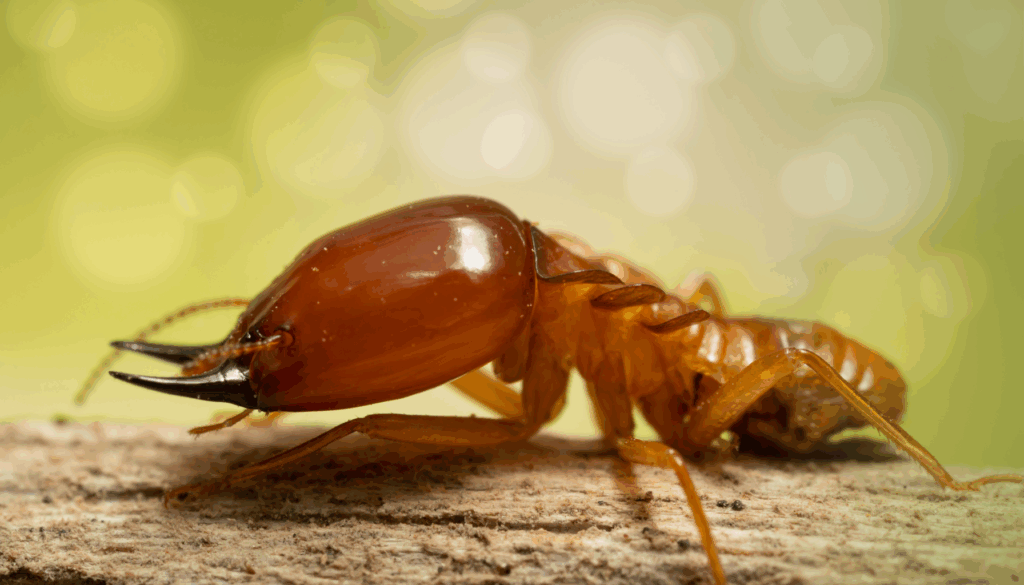
Termite control Sydney services protect your property from silent destroyers that cause millions of dollars in structural damage annually. Sydney’s warm, humid climate creates ideal breeding conditions for termites, making proactive control essential rather than optional.
Understanding the Threat: How Termites Operate
Termites consume timber, wood chips, and cellulose materials 24/7, weakening structural supports, floor joists, and wall frames before visible signs appear. A single colony can house millions of termites, each working relentlessly to compromise your home’s integrity. The damage often remains hidden behind walls and beneath floors until significant structural problems develop making sydney termite control important.
The Financial Consequences of Ignoring Termite Control
The financial impact of neglecting termite control includes:
- Repair costs ranging from $5,000 to $100,000+ depending on damage severity
- Decreased property value when termite damage appears in pre-sale inspections
- Insurance policies that typically exclude termite-related damage from coverage
- Emergency treatment expenses that exceed preventative maintenance costs
The Importance of Early Detection: How Professionals Can Help
Professional termite control measures identify infestations during early stages when treatment remains straightforward and affordable. Regular inspections detect warning signs like mud tubes, hollow timber, and moisture accumulation that indicate active colonies.
Protecting Your Investment: The Benefits of Comprehensive Termite Management
Investing in comprehensive termite management preserves your property’s structural soundness and market value. The cost of prevention represents a fraction of potential repair expenses, making regular inspections and treatments a financially sound decision for every Sydney homeowner.
What Are the Common Types of Termites Found in Sydney and How Do They Cause Damage?
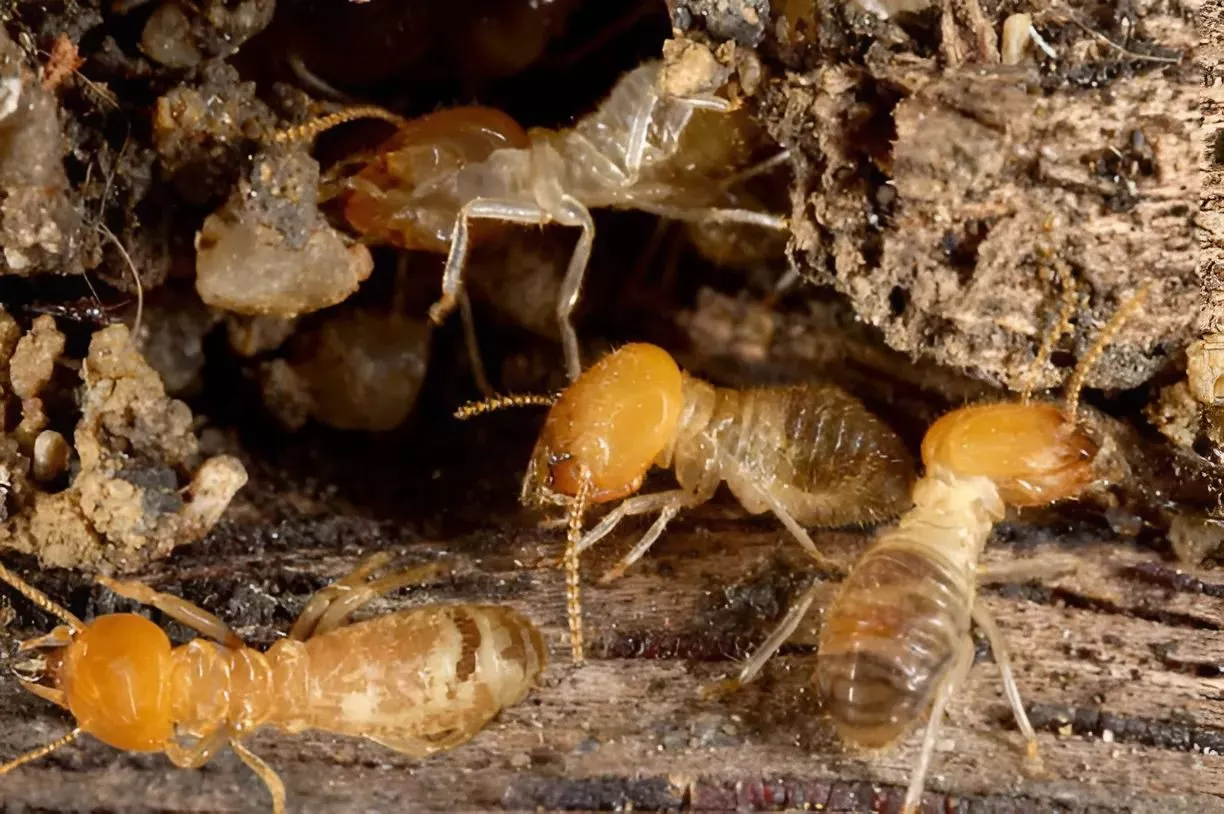
Coptotermes species are the most common termites found in Sydney, with Coptotermes acinaciformis and Coptotermes frenchi being the most destructive. These subterranean termites build large colonies with hundreds of thousands of workers that aggressively attack wooden structures, often causing significant damage before being discovered.
Schedorhinotermes intermedius is another major threat to properties in Sydney. This species creates mud tubes along foundations and walls, allowing workers to move between their underground nests and food sources while keeping the dark, humid conditions they need to survive.
Nasutitermes species usually nest in trees but will invade nearby buildings when they can access wood. While not as aggressive as Coptotermes, these termites still pose a significant risk to wooden structures, fences, and landscaping materials.
Structural Damage Patterns
Termite damage can be seen in several ways:
- Hollowed timber: When you tap on wood and it sounds papery, this indicates that termites have eaten away the inside while leaving the outer layers intact.
- Sagging floors and ceilings: Extensive feeding by termites can weaken the structure, causing floors and ceilings to sag.
- Buckling door frames and window sills: If you notice that doors or windows are difficult to open or close properly, it could be a sign of termite damage.
- Crumbling skirting boards: When you press or disturb skirting boards and they break apart, this may indicate termite activity.
- Damaged plasterboard: Termites can tunnel through wall cavities, damaging plasterboard in the process.
The fast reproduction rates and insatiable hunger of termites in Sydney make it crucial to identify them early on in order to minimize repair costs.
How Can Homeowners Identify Signs of a Termite Infestation?
Signs of termite infestation appear through distinct visual and structural indicators that homeowners can spot during routine property checks. Catching these warning signals early prevents extensive damage and reduces repair costs.
Visual Warning Signs
Here are some visual warning signs that homeowners should look out for:
- Mud tubes: Climbing foundation walls or timber surfaces indicate active termite highways. These pencil-width tunnels protect termites as they travel between soil and food sources. Check along basement walls, pier supports, and external building perimeters.
- Discarded wings: Near windowsills, door frames, or light fixtures signal recent swarm activity. Reproductive termites shed their wings after finding a suitable nesting site, leaving behind piles of identical-sized wings.
- Hollow-sounding wood: Reveals internal damage invisible from the outside. Tap wooden beams, door frames, and skirting boards with a screwdriver handle—a hollow echo suggests termites have consumed the interior timber.
- Blistered or bubbling paint: On wooden surfaces mimics water damage but often conceals termite galleries beneath. The paint lifts as termites eat away supporting timber structure.
Professional Termite Detection Methods
Licensed inspectors employ thermal imaging cameras to detect temperature variations caused by termite activity behind walls. Moisture meters identify elevated humidity levels that attract termite colonies, while termi-trac radar signals and acoustic listening devices pinpoint active infestations in concealed spaces like roof voids and subfloors.
Annual professional inspections remain essential even when visible signs appear absent.
What Are the Most Effective Treatment Options Available for Termite Control in Sydney?
Chemical treatments, baiting systems, and physical barriers are the three main termite treatment options used by professionals in Sydney to get rid of infestations. Each method is designed to handle different infestation situations and property needs.
Chemical Treatments
Liquid termiticides create a protective zone around your property’s perimeter. Licensed technicians apply these solutions to soil surrounding the foundation, creating a barrier that eliminates termites on contact. Modern formulations are environmentally friendly, non-allergenic, and odourless, making them safe for families and pets. The treatment remains effective for several years, providing long-term protection against colony reinvasion.
Baiting Systems
Termite baiting stations contain cellulose material laced with slow-acting toxins. Workers carry the bait back to their colony, spreading it throughout the nest and eventually eliminating the queen. This method proves particularly effective for properties where chemical barriers aren’t feasible due to concrete slabs or sensitive landscaping. Stations require monitoring every 6-8 weeks to assess activity levels.
Physical Barriers
Stainless steel mesh or graded stone particles installed during construction prevent termite entry through foundation gaps. Retrofit installations remain possible for existing homes, though they require more extensive work. These barriers provide permanent protection without chemicals, making them ideal for environmentally conscious homeowners seeking chemical-free termite treatment options Sydney specialists can install.
How Can Homeowners Prevent Future Termite Problems After Treatment?
Can treatment alone guarantee long-term protection from termites? No—successful termite management requires ongoing preventive measures against termites to maintain a termite-free environment after initial treatment.
Essential Prevention Strategies
1. Control Moisture
Moisture control forms the foundation of termite prevention. Fix leaking taps, pipes, and air conditioning units immediately, as termites require water sources to survive. Install proper drainage systems directing water away from foundations, and ensure gutters remain clear to prevent overflow near walls.
2. Eliminate Food Sources
Remove food sources by storing firewood at least 20 meters from the house and elevating it off the ground. Clear timber debris, mulch, and wood chips from around foundations. Avoid stacking materials against external walls where termites can access them undetected.
3. Seal Entry Points
Seal entry points by filling cracks in concrete foundations and gaps around plumbing penetrations. Install metal mesh over weep holes to prevent termite entry while maintaining ventilation. Ensure adequate clearance between soil and timber components—minimum 75mm for slab edges.
4. Maintain Ventilation
Maintain ventilation in subfloor areas to reduce humidity levels that attract termites. Install additional vents if needed and remove any stored items blocking airflow beneath the house.
5. Schedule Annual Inspections
Schedule annual inspections with licensed professionals to detect early signs of reinfestation before significant damage occurs. These regular assessments identify new risk factors and verify existing barriers remain effective.
How Much Should Homeowners Expect to Pay for Professional Termite Services in Sydney?
The cost of termite services Sydney varies significantly based on several key factors. A standard residential termite inspection typically ranges from $280 to $345 including GST, providing homeowners with a comprehensive assessment of their property’s termite risk.
Factors Affecting Pricing
- Property size: Larger homes require more time and resources to inspect thoroughly. A two-bedroom unit costs considerably less than a sprawling four-bedroom house with multiple levels.
- Accessibility: Properties with difficult-to-reach subfloor areas, high roof voids, or extensive external structures like detached garages and sheds require additional effort and specialized equipment.
Treatment Costs
Treatment costs depend on the infestation severity and chosen method:
- Chemical barrier treatments: $2,000–$4,500 depending on property perimeter
- Baiting systems: $3,000–$5,000 for installation and monitoring
- Localized treatments: $800–$1,500 for contained infestations
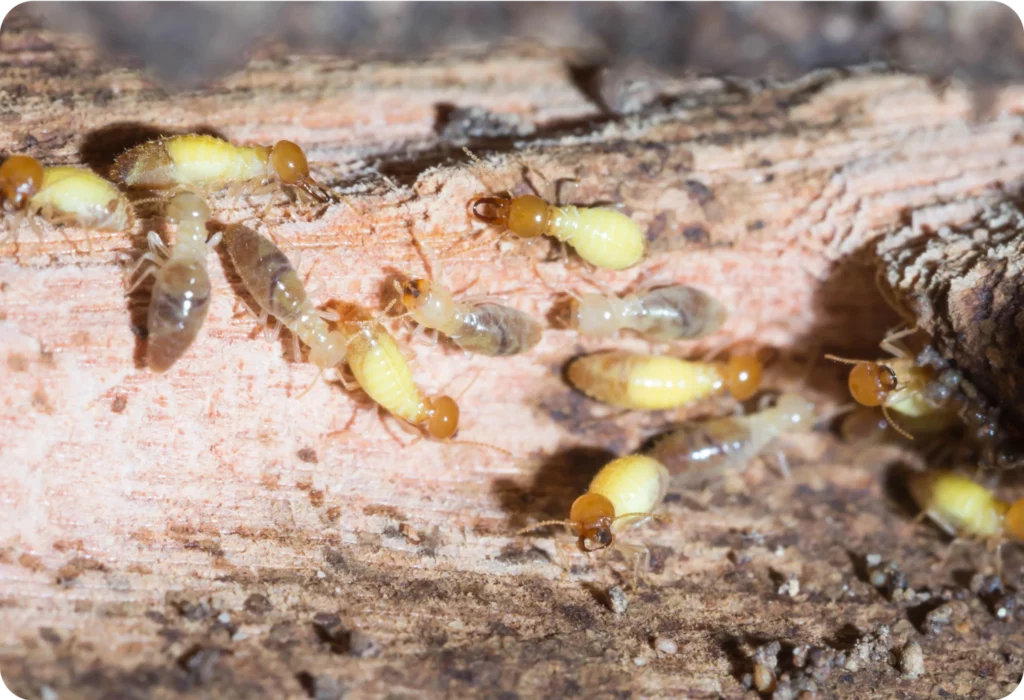
Properties with poor drainage, multiple entry points, or previous termite damage may require more extensive treatments, increasing costs. The termite species identified during inspection also influences pricing—subterranean termites often demand different treatment approaches than drywood species.
Annual Inspection Packages
Annual inspection packages offer better value for ongoing protection, with many Sydney pest control companies providing discounted rates for regular monitoring services. These preventative investments typically cost 30-40% less than addressing active infestations.
Where Can Homeowners Find Reliable Pest Control Companies Specializing in Termite Management?
Start with verified credentials and industry recognition. Licensed pest control operators in Sydney must hold current certifications from regulatory bodies, demonstrating they meet professional standards for termite management.
When finding reliable termite control services, prioritize companies with:
- Active licenses from NSW Fair Trading or equivalent regulatory authorities
- Specific termite management certifications beyond general pest control qualifications
- Professional memberships in organizations like the Australian Environmental Pest Managers Association (AEPMA)
- Insurance coverage including public liability and professional indemnity
Check online reviews across multiple platforms like Google Business, ProductReview, and local community forums. Look for consistent patterns in customer feedback about inspection thoroughness, treatment effectiveness, and post-service support rather than focusing on single reviews.
Request detailed written quotes that specify inspection methods, treatment approaches, and warranty terms. Reputable companies provide transparent pricing breakdowns and explain their three-phase approach: inspection, treatment, and ongoing protection.
Ask about detection technology during initial consultations. Companies using thermal imaging, moisture meters, and termi-trac radar signals demonstrate investment in advanced termite detection methods.
Verify local experience by asking how long they’ve operated in Sydney and their knowledge of regional termite species. Companies familiar with Sydney’s specific termite challenges—including the 350+ Australian species—offer more targeted solutions for your property’s protection needs.
Related : Home Termite Control Tips: How to Prevent Damage Between Inspections